What is the Best Wood for a Sauna Interior? (An Honest Guide)
Updated: Jun 17
When choosing wood for your sauna interior 5 important aspects need to be met:
It needs to handle moisture well
It should not retain heat (especially for benches and backrests)
It should have good acoustic properties (softer woods)
It should have low resin content and be knot-free ideally
The look and feel should match the experience you want to create
Most traditional sauna woods tick most of these boxes naturally - but not all of them. Let's look at the most common species and how they perform.
Aspen (Populus tremula)
Traditional wood in Northern Europe - low resin, pleasant to sit on, doesn't retain heat as much. Very light in color - almost white, which gives that clean and airy look to the sauna. Odorless when heated. Affordable and widely available in Europe, harder to find in North America. Tends to grey over time if left untreated. Used throughout the sauna interior - walls, ceiling, benches and floor. Sits in the budget to mid-range price tier.

Spruce (Picea abies / Picea glauca)
Most common and affordable sauna wood in Scandinavia and North America. Light color, similar to aspen. Knots are common in lower grade spruce. Used on walls, ceiling, floors. Works fine on benches too if you find a clear, well dried board, though it runs slightly hotter than aspen.

Pine (Pinus sylvestris)
Also a very common and affordable sauna wood. Has a warmer reddish-orange tint. Has high resin content - can bleed sap and burn skin. Some smell when heated. Not recommended for benches or backrests - walls and ceiling only if at all. Thermally modified pine is a different story - the heat treatment process removes most of the resin making it much more suitable.

Alder (Alnus glutinosa / Alnus incana)
Popular in Nordic and Eastern Europe. Light pinkish brown color, darker than aspen. Low resin content, smooth texture. Works well for walls, ceiling and benches. Less common in North America.

Abachi (Triplochiton scleroxylon)
Popular in commercial saunas and spa environments. Very light color, like aspen. Low heat retention. Low resin and smooth, comfortable to sit on. Most expensive out of all. Durable and resistant to moisture cycles. Most often reserved for benches specifically, where its low heat retention is worth paying for. Can be hard to source in North America.

Western Red Cedar (Thuja plicata)
The most common sauna wood in North America. Naturally rot and moisture resistant, stable, and gives that strong, aromatic cedar smell. Even lower heat conductivity than spruce or aspen. One thing to keep in mind - cedar contains Plicatic acid and other natural volatile compounds. While the highest risk of respiratory irritation happens during construction (inhaling sawdust), the high heat and steam of a sauna can aerosolize these trace compounds, potentially triggering flare-ups in individuals with asthma or severe fragrance sensitivities. Used throughout the interior - walls, ceiling, exterior cladding and benches.

Linden / Basswood (Tilia spp.)
Widely used in Eastern European saunas. Similar profile to abachi and aspen - low resin content and clean light appearance. Incredibly efficient at resisting heat absorption. Used throughout the interior - benches, walls, floors and ceiling.

Treatments
Thermally Modified Wood
All the woods above can be thermally modified. Heat treatment removes resin and sugars making it more stable and moisture resistant. Darker brown color (the higher the treatment temperature the darker it gets). It behaves more like a hardwood afterward - more dimensionally stable with less warping, but also more prone to splitting during install and handling, which is worth knowing if you're doing it yourself. The smell shifts too, toward something more roasted and sweet. It does still accept oils, and several builders report it performs better than untreated wood when oiled. More expensive than regular untreated wood. Widely available in Europe and growing in availability in North America with brands like Thermory and Arbor Wood. If you want a more durable and low maintenance sauna, thermally modified wood is worth the extra cost.

Sauna Oil
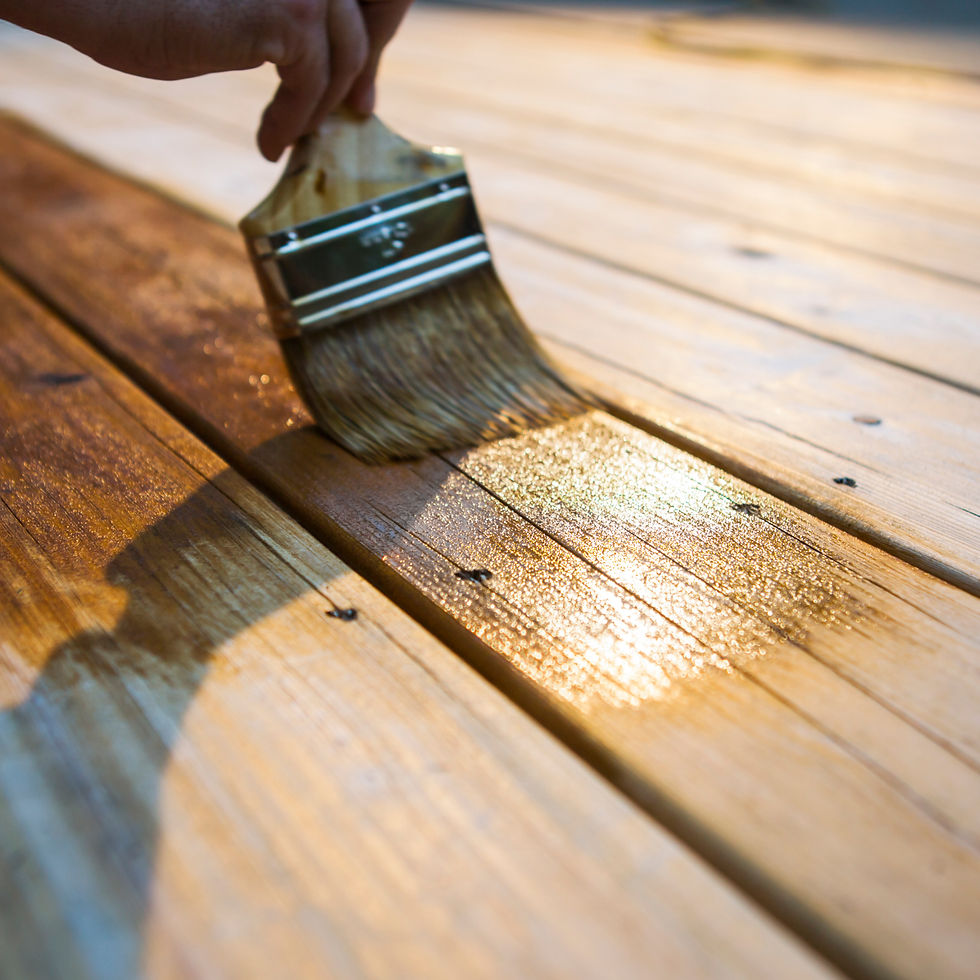
Most common treatment, protects and preserves wood with a slight darkening effect. Purpose made sauna oils from brands like Tikkurila work well, but several experienced builders use plain USP food grade mineral oil instead - odorless, colorless, hypoallergenic, won't go rancid, and significantly cheaper for the same result. Most commonly applied to floors, sometimes to benches for added protection, though not mandatory.
Tarring
Traditional Finnish treatment, used for centuries. Made from pine tar - natural and non-toxic. Extremely durable and water resistant. Gives a dark, dramatic look to the interior. Has strong smell, which some enjoy and others find overwhelming. Not recommended for benches.

Interior wood is one of the most important decisions in a sauna build. It's what you touch, smell and look at. Make sure the practical characteristics are there first. Once those boxes are ticked, the rest comes down to budget and feel. Do you want a bright, airy space or a dark, cave-like one? A traditional look or a modern spa finish? The wood you choose will set the tone for every session.
Happy sauna building!